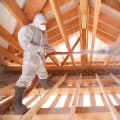
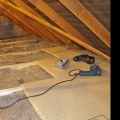
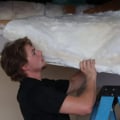
When it comes to enhancing the energy efficiency of your home, blown in insulation stands out as a highly effective solution. This type of insulation is particularly popular for attics, where it can easily fill gaps and crevices that traditional batts or rolls might miss. By creating a seamless barrier against heat transfer, blown in insulation helps maintain a comfortable indoor environment year-round, reducing the strain on heating and cooling systems.The lifespan of insulation is a critical factor to consider when investing in your home’s energy efficiency. Understanding how long blown in insulation lasts and what influences its durability can help homeowners make informed decisions.
Typically, blown in insulation can last anywhere from 20 to 30 years, depending on various factors such as the material used, installation quality, and environmental conditions. For instance, while fiberglass insulation is known for its longevity, it may degrade over time, leading to reduced effectiveness.Moreover, the installation process itself plays a significant role in determining the lifespan of blown in insulation. Proper installation ensures that the material is evenly distributed and adequately packed into the attic space, minimizing air leaks and maximizing thermal performance. Homeowners should also be aware that regular maintenance and inspections can further extend the life of their attic insulation, allowing them to reap the benefits of energy savings for years to come.In this article, we will delve deeper into the specifics of blown in insulation, exploring its advantages, lifespan, and the factors that can affect its performance over time.
Whether you are considering an upgrade or simply looking to understand more about your current insulation options, this comprehensive guide will provide valuable insights into making your home more energy-efficient.
What is Blown In Insulation?
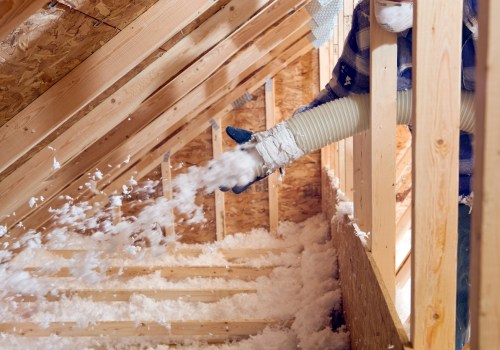
Blown in insulation is a type of loose-fill insulation that is installed by blowing small particles or fibers into the desired area, typically attics or wall cavities. This method allows for a seamless application that can easily fill gaps and voids, ensuring comprehensive coverage and enhanced thermal performance. The primary materials used in blown in insulation include fiberglass and cellulose , each offering unique properties and benefits.Types of Blown In Insulation
- Fiberglass Insulation: Made from fine strands of glass, fiberglass insulation is one of the most common types used in residential applications. It is non-combustible, resistant to moisture, and does not support mold growth.
Fiberglass blown insulation typically has a high R-value, which measures its thermal resistance, making it effective at keeping homes warm in winter and cool in summer.
- Cellulose Insulation:Cellulose Insulation: Composed primarily of recycled paper products, cellulose insulation is an eco-friendly option that provides excellent thermal performance. It is treated with fire retardants to enhance safety and can be blown into attics and walls to create a dense barrier against heat loss. Cellulose also has sound-dampening properties, making it a great choice for noise reduction.
Benefits of Blown In Insulation
The advantages of blown in insulation extend beyond just energy efficiency. Here are some key benefits:- Easy Installation: The installation process is quick and efficient, often completed within a day by professionals using specialized equipment.
- Versatile Application: Blown in insulation can be applied in hard-to-reach areas where traditional batts or rolls may not fit, ensuring complete coverage.
- Improved Energy Efficiency: By minimizing air leaks and providing a high R-value, blown in insulation helps reduce heating and cooling costs significantly.
- Environmental Benefits: Especially with cellulose options, blown in insulation can be made from recycled materials, contributing to sustainability efforts.
Whether you choose fiberglass or cellulose, both types offer unique advantages that can help create a more comfortable living environment.
Factors Influencing the Lifespan of Blown In Insulation
The lifespan of blown in insulation is influenced by several critical factors that can significantly affect its durability and effectiveness over time. Understanding these factors can help homeowners make informed decisions about their insulation choices and maintenance practices.Material Type
The type of material used in blown insulation plays a pivotal role in determining its longevity. Common materials include:- Fiberglass: This is one of the most widely used materials for blown insulation. While it is effective, fiberglass can degrade over time, especially if exposed to moisture.
Its R-value, which measures thermal resistance, may diminish as the material settles or becomes compacted.
- Cellulose: Made from recycled paper products, cellulose insulation is treated for fire resistance. However, it tends to settle more than fiberglass, leading to potential gaps that can reduce its insulating properties. Typically, cellulose has a lifespan of about 20 to 30 years.
- Mineral Wool: Known for its excellent fire resistance and soundproofing qualities, mineral wool can last up to 100 years under optimal conditions. Its durability makes it a preferred choice for many homeowners looking for long-term solutions.
Installation Quality
The quality of installation is another crucial factor that affects the lifespan of blown insulation.Proper installation ensures that the insulation fills all gaps and voids effectively, maximizing its thermal performance. Key aspects of quality installation include:
- Even Distribution: Insulation should be evenly distributed throughout the attic space to prevent cold spots and ensure consistent temperature regulation.
- Moisture Control: Adequate vapor barriers should be installed to prevent moisture accumulation, which can lead to mold growth and material degradation.
- Professional Expertise: Hiring experienced professionals who understand the nuances of blown insulation installation can significantly enhance the overall effectiveness and lifespan of the material.
Environmental Conditions
The environment in which the insulation is installed also impacts its longevity. Factors such as humidity levels, temperature fluctuations, and exposure to pests can all contribute to the degradation of blown insulation over time. For instance:- High Humidity: Areas with high humidity levels can lead to moisture buildup, which may compromise the integrity of cellulose insulation.
- Pest Infestation: Rodents and insects can damage insulation materials, particularly cellulose, which may attract pests due to its organic composition.
Maintenance Practices
Regular maintenance is essential for extending the lifespan of blown insulation.Homeowners should consider periodic inspections to check for signs of settling or moisture damage. Additionally, addressing any leaks or ventilation issues promptly can help maintain optimal conditions for insulation performance.In summary, understanding the factors influencing the lifespan of blown in insulation—such as material type, installation quality, environmental conditions, and maintenance practices—can empower homeowners to make better choices for their homes. By prioritizing these aspects, you can ensure that your attic insulation remains effective for years to come.
Average Lifespan of Different Types of Blown In Insulation
When considering blown in insulation for your attic, understanding the average lifespan of different materials is crucial for making an informed decision. Each type of insulation has its unique characteristics and longevity, which can significantly impact your home's energy efficiency and comfort.Fiberglass Insulation Lifespan
Fiberglass insulation is one of the most commonly used materials in residential settings.On average, the lifespan of fiberglass insulation ranges from 20 to 30 years. However, several factors can influence this duration:
- Installation Quality: Proper installation is essential. Gaps or compression can lead to reduced effectiveness and a shorter lifespan.
- Moisture Exposure: Fiberglass is susceptible to moisture, which can cause it to lose its insulating properties over time.
- Pest Infestation: Rodents and insects can damage fiberglass insulation, leading to premature degradation.
Cellulose Insulation Lifespan
Cellulose insulation
, made primarily from recycled paper products, typically has a lifespan similar to that of fiberglass, averaging between 20 and 30 years. However, it tends to degrade faster due to its organic composition:
- Decomposition: Over time, cellulose can break down, especially if exposed to moisture or pests.
- Settling: Cellulose may settle over time, reducing its R-value and effectiveness as an insulator.
- Mold Growth: If not properly treated or installed in a dry environment, cellulose can be prone to mold growth, further compromising its lifespan.
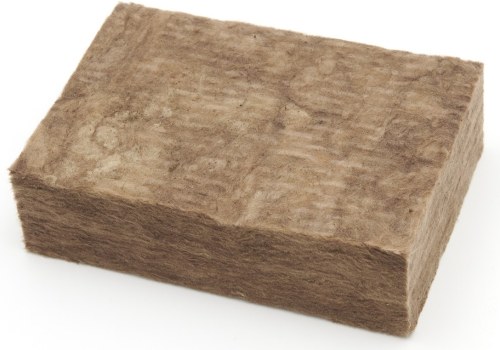
Mineral Wool Lifespan
Mineral wool insulation
, also known as rock wool or stone wool, stands out for its durability.
It boasts an impressive lifespan that can reach up to 80 years or more under optimal conditions. Key benefits include:
- Fire Resistance: Mineral wool is non-combustible, providing added safety and longevity.
- Mold Resistance: Unlike cellulose, mineral wool does not support mold growth, making it a more resilient option in humid environments.
- Soundproofing Qualities: In addition to thermal insulation, mineral wool offers excellent soundproofing capabilities.
Signs Your Blown In Insulation Needs Replacement
Understanding when to replace your blown in insulation is crucial for maintaining the energy efficiency and comfort of your home. Over time, insulation can degrade due to various factors, and recognizing the signs of this degradation can save you from higher energy bills and uncomfortable living conditions.1.Visible Damage or Compression
One of the most apparent signs that your blown in insulation needs replacement is visible damage. If you notice areas where the insulation appears compressed or uneven, it may no longer be providing adequate coverage.
This can happen due to settling over time or moisture intrusion, which can lead to mold growth and further degradation.
2.Increased Energy Bills
If you find that your heating and cooling costs have significantly increased without a corresponding change in usage, it could be a sign that your insulation is no longer effective. Blown in insulation that has lost its R-value due to age or damage will allow heat to escape in winter and enter during summer, leading to higher energy consumption.
3.Drafts and Temperature Fluctuations
Feeling drafts in your home or experiencing inconsistent temperatures between rooms can indicate that your blown in insulation is failing. Insulation should create a barrier against outside temperatures; if it’s not doing so, it may need to be replaced.
4.Pest Infestations
Another sign that your insulation may need replacement is the presence of pests. Rodents and insects are often attracted to older insulation materials, especially cellulose, which can provide nesting opportunities.
If you notice signs of pest activity, it’s essential to inspect your insulation for damage.
5.Age of Insulation
Even if there are no visible signs of damage, consider the age of your blown in insulation. Most types have a lifespan of 20 to 30 years. If your insulation is approaching this age range, it may be wise to have it evaluated by a professional.
Maintenance Tips
- Regular Inspections: Schedule periodic inspections of your attic insulation to catch any issues early.
- Moisture Control: Ensure proper ventilation in your attic to prevent moisture buildup, which can lead to mold and degradation.
- Pest Prevention: Seal any entry points for pests and consider using pest deterrents to protect your insulation.
- Professional Assessment: Consult with an insulation expert if you suspect any issues; they can provide tailored advice based on your specific situation.
The Installation Process for Blown In Insulation
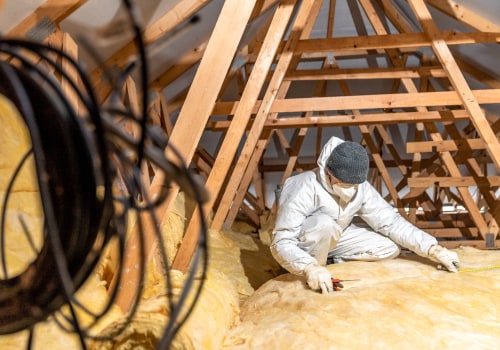
Installing blown insulation is a crucial step in enhancing your home’s energy efficiency and comfort. The process can be approached in two primary ways: professional installation and DIY methods.Each has its own set of advantages and considerations.
Professional Installation
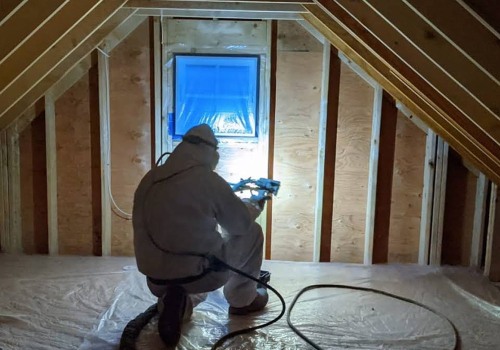
Opting for professional installation is often the best choice for homeowners who want to ensure optimal results without the hassle of doing it themselves. Here are some key benefits:- Expertise: Professionals have the training and experience to assess your attic's specific needs, ensuring that the right amount of insulation is applied.
- Equipment: They use specialized equipment that allows for even distribution of insulation, filling all gaps and voids effectively.
- Time Efficiency: A professional team can complete the installation quickly, often within a single day, minimizing disruption to your household.
- Warranty: Many professional services offer warranties on their work, providing peace of mind regarding the longevity and effectiveness of the insulation.
DIY Installation
For those who are handy and prefer a more hands-on approach, DIY installation can be a viable option. However, it requires careful planning and execution. Here are some steps to consider:- Preparation: Before starting, ensure that your attic is clean and free from debris.
Seal any air leaks to maximize insulation effectiveness.
- Gather Materials: Purchase the necessary materials, including blown insulation (fiberglass or cellulose), a blowing machine (often available for rent), and safety gear such as masks and goggles.
- Installation: Follow the manufacturer’s instructions for using the blowing machine. Start at one end of the attic and work your way across, ensuring an even layer of insulation.
- Check Depth: Use a ruler or measuring stick to check that you achieve the recommended depth for optimal R-value.
Properly installed blown insulation not only enhances energy efficiency but also contributes significantly to your home’s overall comfort.
Maintaining Your Blown In Insulation for Longevity
To ensure that your blown in insulation remains effective and lasts as long as possible, regular maintenance is essential. Here are some practical tips to help you maintain your insulation and extend its lifespan:- Conduct Regular Inspections: Schedule periodic checks of your attic insulation, ideally once a year. Look for signs of settling, moisture damage, or pest infestations. Early detection of issues can prevent more significant problems down the line.
- Check for Air Leaks: Inspect the areas around vents, ducts, and electrical outlets for air leaks.
Sealing these gaps can help maintain the effectiveness of your insulation by preventing conditioned air from escaping.
- Monitor Humidity Levels: High humidity can lead to mold growth and degradation of insulation materials. Use a hygrometer to keep track of humidity levels in your attic, aiming for a range between 30% and 50%. If levels are too high, consider using a dehumidifier.
- Ensure Proper Ventilation: Adequate ventilation in your attic is crucial for maintaining insulation performance. Ensure that vents are not blocked by insulation or debris, allowing for proper airflow that helps regulate temperature and moisture levels.
- Address Pest Issues Promptly: Rodents and insects can damage insulation materials.
If you notice signs of pests, such as droppings or nests, take immediate action to eliminate them and repair any damage they may have caused.
- Consider Adding More Insulation: If your blown in insulation has settled over time or if you notice a drop in energy efficiency, adding more insulation can help restore its effectiveness. Consult with a professional to determine the best approach for your specific situation.
Cost Considerations for Blown In Insulation
When considering blown in insulation for your attic, understanding the associated costs is crucial for making an informed decision. The initial investment can vary significantly based on several factors, including the type of material used, the size of your attic, and the complexity of the installation process.Material Costs
- Fiberglass Insulation: This is one of the most common materials used for blown insulation.
The cost typically ranges from $0.50 to $1.50 per square foot, depending on the thickness and R-value.
- Cellulose Insulation: Made from recycled paper products, cellulose is often priced between $0.75 and $2.00 per square foot. It offers good thermal performance but may require more frequent replacement due to settling over time.
- Mineral Wool Insulation: Known for its fire-resistant properties, mineral wool can cost between $1.00 and $2.50 per square foot. Its durability makes it a worthwhile investment for long-term insulation needs.
Installation Costs
The installation of blown insulation typically requires professional assistance, which can add to your overall budget. Labor costs can range from $1 to $2 per square foot, depending on your location and the contractor's expertise.
While DIY installation is an option, it may not yield the same level of effectiveness as professional installation.
Long-Term Value
While the upfront costs of blown in insulation may seem significant, it’s essential to consider the long-term savings on energy bills. Properly installed insulation can reduce heating and cooling costs by 20% to 30%, leading to substantial savings over time. Additionally, many homeowners find that the improved comfort levels in their homes justify the initial investment.Furthermore, investing in energy-efficient upgrades like blown insulation can increase your home’s resale value. Potential buyers often look for homes with energy-efficient features, making your property more attractive in a competitive market.In conclusion, while there are various costs associated with blown in insulation, its long-term benefits in energy efficiency and home comfort make it a valuable investment for any homeowner looking to enhance their attic insulation.
Frequently Asked Questions About Blown In Insulation Lifespan
When considering blown in insulation for your attic, homeowners often have numerous questions regarding its lifespan and effectiveness.Below are some of the most frequently asked questions along with expert insights to help you make informed decisions.
What is the average lifespan of blown in insulation?
The average lifespan of blown in insulation typically ranges from 20 to 30 years. However, this can vary based on several factors including the type of material used, installation quality, and environmental conditions. For instance, fiberglass insulation tends to degrade over time, while mineral wool can last significantly longer.How can I extend the lifespan of my blown in insulation?
To maximize the longevity of your blown in insulation, consider the following:- Regular Inspections: Schedule periodic inspections to check for signs of settling or moisture damage.
- Proper Ventilation: Ensure your attic is well-ventilated to prevent moisture buildup, which can lead to mold and degradation.
- Seal Air Leaks: Address any air leaks in your attic to maintain the effectiveness of your insulation.
Does blown in insulation lose its effectiveness over time?
Yes, blown in insulation can lose its effectiveness as it settles or degrades. For example, fiberglass insulation may lose its R-value due to compression or moisture exposure.Regular maintenance and timely replacement can help ensure that your insulation continues to perform optimally.
Can I add more blown in insulation over existing insulation?
Absolutely! Adding more blown in insulation over existing layers is a common practice. This can enhance thermal performance and help renew the effectiveness of older materials. Just ensure that the existing insulation is dry and free from damage before proceeding.What are the signs that my blown in insulation needs replacement?
If you notice any of the following signs, it may be time to consider replacing your blown in insulation:- Mold Growth: Visible mold indicates moisture issues that can compromise insulation integrity.
- Increased Energy Bills: A sudden spike in heating or cooling costs may suggest that your insulation is no longer effective.
- Settling or Gaps: If you see areas where the insulation has settled or gaps have formed, it may need replenishing.
Conclusion: Key Takeaways on Blown In Insulation Lifespan
In summary, understanding the lifespan of blown in insulation is crucial for homeowners looking to enhance their attic insulation strategies. As we have explored, the longevity of blown insulation typically ranges from 20 to 30 years, depending on various factors such as the type of material used, installation quality, and environmental conditions.When considering blown insulation options, it is essential to recognize the differences between materials.For instance, fiberglass insulation may degrade over time, leading to reduced effectiveness and potential air leaks. In contrast, cellulose insulation , while eco-friendly, also has a limited lifespan and can begin to deteriorate as early as 15 years post-installation.For those seeking a more durable solution, aerosol foam insulation stands out with a lifespan that can extend up to 80 years. However, the most resilient option remains blown mineral wool insulation , which can last nearly a century under optimal conditions.Regular maintenance plays a pivotal role in extending the life of your blown insulation. Homeowners should consider periodic inspections to identify any signs of wear or degradation.
Addressing these issues promptly can help maintain the insulation's effectiveness and ensure that your home remains energy-efficient.Moreover, if you already have existing fiberglass insulation in your attic, adding blown insulation can rejuvenate its performance and enhance overall energy efficiency. This combination not only improves thermal resistance but also contributes to significant savings on heating and cooling costs.Ultimately, investing in high-quality blown insulation for your attic is a proactive measure that pays off in comfort and energy savings. By understanding the factors that influence its lifespan and taking steps to maintain it, homeowners can enjoy a well-insulated home for many years to come.