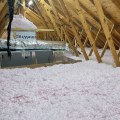
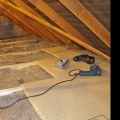
When it comes to maintaining a comfortable and energy-efficient home, attic insulation plays a pivotal role. The attic is often the most significant source of heat loss in a house, making it essential to ensure that it is properly insulated. This is where the concept of R-value becomes crucial. R-value measures the thermal resistance of insulation materials, indicating how well they can resist heat flow.
Understanding R-value is not just a technical detail; it directly impacts your home's energy efficiency, comfort levels, and even your utility bills.The importance of R-value in attic insulation cannot be overstated. A higher R-value means better insulation performance, which translates to less energy required for heating and cooling your home. This is particularly vital in regions with extreme temperatures, where inadequate insulation can lead to significant energy waste. By selecting insulation with an appropriate R-value for your climate zone, you can create a more stable indoor environment that remains comfortable year-round.Moreover, the right R-value contributes to reducing your carbon footprint.
As homes become more energy-efficient, they consume less power, which not only saves money but also helps in conserving natural resources. In this context, understanding how to choose the right attic insulation based on its R-value is essential for homeowners looking to make informed decisions about their insulation options.In the following sections, we will delve deeper into the various types of attic insulation available, their respective R-values, and how these factors influence overall home performance. By grasping the significance of R-value in attic insulation, you will be better equipped to enhance your home's energy efficiency and comfort.
What is R-Value?
The R-value is a critical metric used to assess the effectiveness of insulation materials in resisting heat flow. It quantifies the thermal resistance of a material, indicating how well it can insulate a space against temperature fluctuations.In essence, the higher the R-value, the better the insulation's performance in preventing heat transfer, which is essential for maintaining comfortable indoor temperatures and reducing energy costs.To understand R-value more comprehensively, it is important to recognize how it is calculated. The R-value is determined by dividing the thickness of the insulation material (in inches) by its thermal conductivity (k-value), which measures how easily heat can pass through a material. The formula can be expressed as:
R-value = Thickness (inches) / Thermal Conductivity (k-value)In colder climates, a higher R-value is often recommended to ensure that homes remain warm during winter months. Conversely, in warmer climates, appropriate R-values help keep indoor spaces cool and comfortable.Moreover, it’s essential to consider that R-values can vary significantly among different types of insulation materials. For example:
- Fiberglass Insulation: Typically ranges from R-2.2 to R-4.3 per inch.
- Cellulose Insulation: Generally offers an R-value between R-3.2 and R-4.0 per inch.
- Aerosol Foam Insulation: Closed-cell foam can achieve R-values of R-6.0 to R-7.0 per inch.
The Importance of R-Value in Attic Insulation
Understanding the R-value of attic insulation is crucial for homeowners aiming to enhance their energy efficiency and comfort. The R-value quantifies the insulation's ability to resist heat flow; a higher R-value indicates better thermal resistance.This is particularly important in attics, where significant heat loss can occur, especially during extreme weather conditions.When selecting attic insulation, it’s essential to recognize that the effectiveness of insulation is directly linked to its R-value. For instance, in colder climates, an R-value between R49 and R60 is recommended for attics. This range ensures that homes maintain a comfortable temperature while minimizing the need for excessive heating or cooling, which can lead to inflated utility bills.Moreover, investing in insulation with a higher R-value can lead to substantial long-term savings. By reducing the amount of energy required to heat or cool your home, you not only lower your monthly energy costs but also contribute to a more sustainable environment by decreasing your carbon footprint.In addition to energy savings, proper attic insulation enhances overall comfort levels within the home.
Insufficient insulation can lead to drafts and uneven temperatures, making certain areas of your home less comfortable than others. By ensuring that your attic has adequate insulation with a suitable R-value, you create a more consistent indoor climate.Furthermore, understanding R-value helps homeowners make informed decisions about their insulation options. Different materials offer varying R-values per inch of thickness. For example:
- Fiberglass batts: Typically provide an R-value of R-2.9 to R-4.3 per inch.
- Cellulose: Offers an R-value ranging from R-3.2 to R-4.0 per inch.
- Aerosol foam: Closed-cell foam can achieve an impressive R-value of R-6.0 to R-7.0 per inch.
By selecting insulation with an appropriate R-value, you can significantly reduce energy costs while enhancing the overall living experience within your space.
Recommended R-Values for Different Climates
When selecting attic insulation, understanding the recommended R-values for different climate zones is essential. The R-value indicates the insulation's effectiveness in resisting heat flow, and it varies significantly based on geographic location and climate conditions. Here’s a breakdown of recommended R-values across various regions in the United States:- Cold Climates (R49-R60): In northern states, where winters are harsh and prolonged, a higher R-value is crucial. Attics in these areas should ideally have an R-value between R49 and R60 to effectively retain heat during the cold months.
- Mixed Climates (R38-R49): Regions that experience both cold winters and warm summers, such as parts of the Midwest, benefit from an R-value range of R38 to R49. This balance helps maintain comfortable indoor temperatures year-round.
- Hot-Humid Climates (R30-R38): In southern states with high humidity and warm temperatures, a lower R-value of R30 to R38 is often sufficient.
Here, the focus shifts to preventing heat gain rather than retaining heat.
- Hot-Dry Climates (R25-R30): Areas like the southwestern U. S. can operate effectively with an R-value between R25 and R30. Insulation in these regions should also consider ventilation strategies to combat extreme heat.
For instance, homes in colder climates require insulation that not only retains heat but also minimizes energy costs associated with heating systems. Conversely, in warmer climates, insulation must work to keep cool air inside while allowing for proper ventilation to avoid moisture buildup.Additionally, local building codes often dictate minimum insulation requirements based on climate zones. Homeowners should consult these regulations when planning their insulation projects to ensure compliance and optimal energy efficiency.In summary, understanding the recommended R-values for your specific climate zone is vital for selecting the right attic insulation. By aligning your insulation choice with regional needs, you can enhance energy efficiency, comfort, and overall home performance.
Types of Attic Insulation and Their R-Values
When it comes to attic insulation, understanding the different types available and their respective R-values is essential for making an informed decision.Each insulation material has unique properties that can significantly impact energy efficiency, comfort, and overall performance. Below, we explore some of the most common types of attic insulation.
1.Fiberglass Insulation
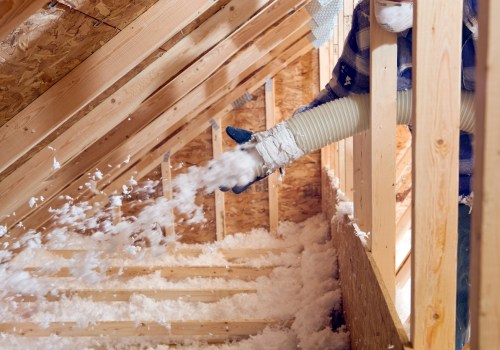
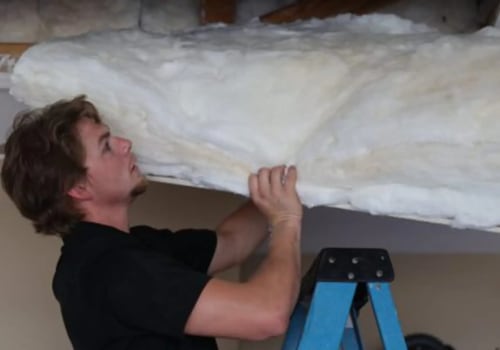
Fiberglass insulation is one of the most widely used materials for attic insulation due to its affordability and effectiveness. It is available in both batts (pre-cut panels) and loose-fill forms. The R-value of fiberglass insulation typically ranges from R-2.2 to R-4.3 per inch of thickness, depending on the specific product and density.- Pros: Non-combustible, resistant to moisture, and does not settle over time.
- Cons: Can irritate skin and lungs during installation; requires protective gear.
2.Cellulose Insulation
Cellulose insulation is made from recycled paper products and is treated with fire retardants.It is often installed as loose-fill or dense-pack insulation. The R-value for cellulose typically ranges from R-3.2 to R-3.8 per inch of thickness.
- Pros: Environmentally friendly, excellent air barrier properties, and good soundproofing capabilities.
- Cons: Can settle over time, potentially reducing its effectiveness; may require professional installation for optimal results.
3.Spray Foam Insulation
Spray foam insulation is a versatile option that expands upon application, filling gaps and creating an airtight seal. It comes in two main types: open-cell and closed-cell foam. The R-value for closed-cell spray foam ranges from R-6.0 to R-7.0 per inch, while open-cell foam typically offers an R-value of R-3.5 to R-4.0 .- Pros: Superior air sealing properties, high R-value per inch, and excellent moisture resistance.
- Cons: Higher cost compared to other insulation types; requires professional installation.
By understanding the characteristics and R-values of these materials, homeowners can make choices that enhance energy efficiency and comfort in their living spaces.
Common Mistakes When Choosing Attic Insulation
Choosing the right attic insulation is crucial for maintaining energy efficiency and comfort in your home. However, many homeowners make common mistakes that can lead to suboptimal performance and increased energy costs. Here are some frequent pitfalls to avoid when selecting attic insulation:- Ignoring R-Value Recommendations: One of the most significant errors is not adhering to the recommended R-value for your region. Each area has specific insulation needs based on climate.
For instance, northern regions typically require an R-value between R49 and R60, while southern areas may need less. Failing to meet these guidelines can result in inadequate thermal resistance.
- Overlooking Existing Insulation: Many homeowners forget to consider the insulation already present in their attics. Adding new insulation without assessing what’s already there can lead to unnecessary expenses and ineffective results. It’s essential to evaluate the current insulation's condition and R-value before making additional purchases.
- Choosing the Wrong Type of Insulation: Not all insulation types are created equal.
Each material has its unique properties, including R-value per inch, moisture resistance, and air sealing capabilities. For example, while fiberglass is popular for its affordability, it may not provide the same performance as closed-cell spray foam in certain applications. Understanding the specific benefits and drawbacks of each type is vital.
- Neglecting Air Sealing: Insulation alone cannot prevent heat loss if air leaks are present. Many homeowners focus solely on adding insulation without addressing air sealing around ducts, vents, and other penetrations.
This oversight can significantly diminish the effectiveness of your insulation.
- Improper Installation: Even the best insulation will underperform if not installed correctly. Common installation mistakes include leaving gaps, compressing insulation, or failing to cover all areas adequately. Hiring a professional or following manufacturer guidelines closely can help ensure proper installation.
- Not Considering Moisture Control: Moisture can severely impact insulation performance and lead to mold growth. Homeowners often overlook the importance of vapor barriers or proper ventilation in attics.
Ensuring that moisture is managed effectively will prolong the life of your insulation and maintain a healthy indoor environment.
Additional Factors to Consider Beyond R-Value
While R-value is a crucial metric in selecting the right attic insulation, it is not the only factor that should guide your decision. Several other elements can significantly impact the overall effectiveness of your insulation system. Understanding these factors can help you create a more energy-efficient and comfortable living environment.Moisture Resistance
Moisture can be a silent enemy when it comes to insulation.If insulation materials absorb moisture, their thermal performance can be severely compromised. This is particularly important in attics, where humidity levels can fluctuate dramatically. Insulation that is not moisture-resistant may lead to mold growth, wood rot, and structural damage over time.
- Fiberglass Insulation: Generally resistant to moisture, but if it becomes wet, it loses its insulating properties.
- Cellulose Insulation: Made from recycled paper, it can absorb moisture and may require treatment with a fire retardant to enhance its resistance.
- Aerosol Foam Insulation: Closed-cell foam offers excellent moisture resistance and creates a barrier against air leaks.
Air Leakage Prevention
Air leaks can undermine the effectiveness of even the highest R-value insulation. When air escapes or enters through gaps and cracks, it can lead to significant energy loss and increased heating or cooling costs.Therefore, ensuring that your attic is properly sealed is just as important as choosing the right insulation material.
- Sealing Gaps: Use caulk or spray foam to seal any gaps around vents, ducts, and electrical outlets.
- Weatherstripping: Install weatherstripping on attic access doors to prevent air leakage.
- Continuous Barrier: Aim for a continuous air barrier in your attic to minimize air movement.
Fire Safety
The fire resistance of insulation materials is another critical consideration. Different types of insulation have varying degrees of fire resistance, which can affect the safety of your home. For instance, fiberglass insulation is non-combustible, while cellulose insulation may require additional fire retardants to meet safety standards.- Fiberglass: Naturally fire-resistant and does not burn easily.
- Cellulose: Often treated with fire retardants but still requires careful installation to ensure safety.
- Aerosol Foam: Closed-cell foam has good fire resistance but should be installed according to local building codes.
Professional Installation vs.
DIY: What You Need to KnowWhen it comes to installing attic insulation, homeowners often face a critical decision: should they tackle the project themselves or hire a professional? Each approach has its own set of advantages and disadvantages, and understanding these can help you make an informed choice that best suits your needs.
Pros of Professional Installation
- Expertise and Experience: Professional installers bring a wealth of knowledge and experience to the table. They are familiar with various insulation materials, local building codes, and best practices for installation, ensuring that the job is done correctly.
- Time Efficiency: Professionals can complete the installation much faster than most DIYers. This is particularly beneficial if you have a tight schedule or if the weather conditions are not favorable for a DIY project.
- Quality Assurance: Many professional insulation companies offer warranties on their work, providing peace of mind that any issues will be addressed without additional costs.
Cons of Professional Installation
- Cost: Hiring professionals can be significantly more expensive than doing it yourself. Labor costs can add up quickly, especially for larger attics.
- Lack of Control: When you hire someone else, you may have less control over the materials used and the overall process.
This can be a concern for homeowners who prefer to choose specific products or methods.
Pros of DIY Installation
- Cost Savings: The most significant advantage of DIY installation is the potential for substantial savings. By eliminating labor costs, you can invest more in high-quality insulation materials.
- Personal Satisfaction: Completing a home improvement project can be incredibly rewarding. Many homeowners take pride in their ability to enhance their living space through their own efforts.
- Flexibility: DIY projects allow you to work at your own pace and schedule, making it easier to fit into your life without the constraints of a contractor's timeline.
Cons of DIY Installation
- Time-Consuming: While you may save money, DIY projects can take significantly longer than expected, especially if you encounter unforeseen challenges.
- Lack of Expertise: Without professional training, there’s a risk of improper installation, which can lead to inadequate insulation performance and potential issues like moisture buildup or air leaks.
However, if you're unsure or want to ensure optimal performance from your attic insulation, hiring a professional is often the best route to take.
<strong>Conclusion</strong>
In summary, the significance of R-value in selecting the appropriate attic insulation cannot be overstated. It serves as a critical metric that directly influences the energy efficiency, comfort, and overall performance of your home. By understanding how R-value works and its implications for different types of insulation materials, homeowners can make informed decisions that lead to long-term benefits.When considering attic insulation, it is essential to recognize that the recommended R-value varies based on geographical location and climate conditions. For instance, homes in colder regions typically require higher R-values to effectively retain heat during winter months, while those in warmer climates may prioritize insulation that reflects heat to maintain cooler indoor temperatures.Moreover, the choice of insulation material plays a pivotal role in achieving the desired R-value.Options such as fiberglass, cellulose, and spray foam each come with their unique thermal resistance properties. Homeowners should evaluate these materials not only for their R-value but also for factors like moisture resistance, air sealing capabilities, and fire safety.It is also important to consider existing insulation when planning upgrades. If your attic already has some level of insulation, adding more can enhance its effectiveness without needing to replace everything. This layered approach can be both cost-effective and efficient.Finally, consulting with a professional can provide valuable insights tailored to your specific situation.
Experts can help assess your current insulation, recommend appropriate R-values based on local building codes and climate conditions, and ensure proper installation techniques are followed. This comprehensive approach will maximize the benefits of your attic insulation, leading to improved energy efficiency and comfort in your home.